Sometimes, the most dangerous things in the world are the things we cannot see with our eyes. As a homeowner, you must be aware of dangers such as gas leaks, exposed wiring, or weak points in your roof. Another danger that could be lurking inside your home is high levels of radon – and you could be completely unaware it’s there!
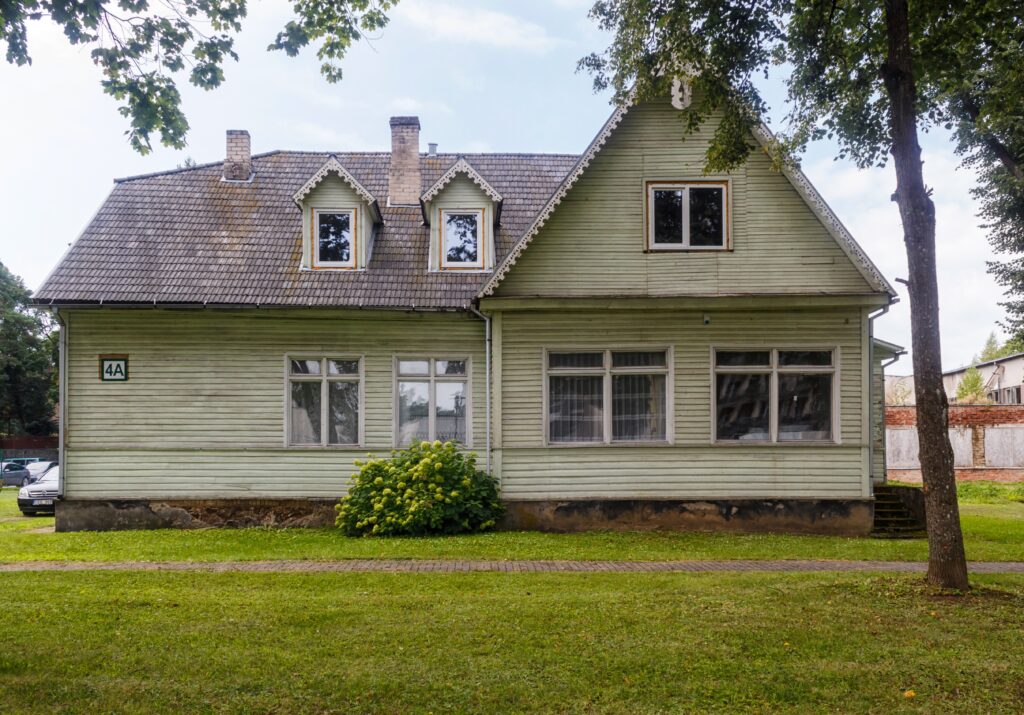
Radon is a naturally occurring odorless, tasteless, and colorless gas that forms from the decay of uranium in the soil and rock beneath your home. It can build up in your home over time, and if left untreated, it will eventually cause major health problems for you and those living there!
Where Does Radon Come From?
Radon comes from deep beneath your home; it can be found in the groundwater, bedrock, and soil that your home is built on. It can seep into homes through unseen cracks in foundations, floor joints, and other openings in the ground around your property. This happens when uranium and radium begin to break down and release gases upwards; both of these elements are radioactive, hence why they pose such a danger.
Prominent Health Risks
Overexposure to radon can lead to serious health complications, specifically lung cancer, as the radioactive particles from the radon gas can get trapped inside your lungs. It can take many years for lung cancer to develop, but the Surgeon General’s office estimates radon is responsible for more than 21,000 lung cancer deaths each year! Unfortunately, many people don’t have symptoms until it is more advanced and harder to treat – which is why it’s crucial to have consistent testing done!
Additional Risk Factors
You are at risk if there are high radon levels in your home or other buildings that you spend a lot of time in or specific areas of these buildings you inhabit the most. Smoking cigarettes, currently or even in the past, can also put you at a higher risk due to the inhalation of smoke. Additionally, burning wood, coal, or other substances adds particles to the air that can seep into your lungs over time.
Symptoms Of Radon Complications
As we said before, there are typically no immediate symptoms of long-term radon exposure; however, after a while, you may begin experiencing symptoms that could be of concern. The main symptoms of lung cancer include wheezing, shortness of breath, a persistent cough, hoarseness, chest pain, or frequent infections. If you find yourself beginning to show signs of any of these symptoms, it’s essential to see a medical professional immediately and have radon testing done in your home for others who might live there.
How Do I Lower The Risk Of Exposure?
The number one way to limit radon exposure is to have professional testing done to check for acceptable levels. You should seal cracks in floors or walls with plaster, caulk, and other materials and increase airflow in your house to circulate it by turning on fans and opening windows. In addition, if you have an earth floor in crawl spaces, you can cover it with a high-density plastic sheet and include a vent pipe/fan to blow the radon outdoors.
Getting Assistance With Proper Testing
We know this all sounds very scary, and in reality, it is! However, don’t feel discouraged – having professional radon testing done by our Detail View Home Inspection team is the best first step to having a healthy home! We offer professional radon testing and can provide solutions if your home’s levels are too high or peace of mind that your home is safe. Either way, we are here to do right by you and keep your family safe from these unseen dangers for as long as possible!
Keywords: radon, radon gas, radon testing, professional radon testing, radon exposure, professional testing, long-term radon exposure, radon exposure, high radon levels in your home, overexposure to radon, high levels of radon