Having a private well can be a wonderful experience for many homeowners, as you are not reliant on a public water supply and have some control over the water on your property. However, you must find ways to avoid well water contaminants and understand how to handle the situation if they appear.
What Are Examples of Well Water Contaminants?
Well water contaminants are not visible to the naked eye, but can have lasting effects on anyone who consumes them over long periods. A field water test can indicate the presence of high lead levels, nitrates from septic systems, pesticides, or infectious microorganisms like bacteria. All of these dangerous materials can increase the risk of pregnancy/birth complications, weakened immune systems, organ damage, or other illness-related symptoms like nausea, diarrhea, and other health problems.
Intricate Ways to Positively Affect Your Well Water
If you have an outdated or older well, it’s always best to replace it with newer models that do a better job of keeping contaminants out of your home. If your well is too shallow (too close to the surface), it’s much easier for surface contaminants to make their way into it; similarly, if the location of your well is too close to the septic system, you risk cross-contamination with waste. How you construct and maintain your well also plays a major role, as inadequate repairs or installation can negatively impact the well’s integrity.
These factors, along with climate and local geology, are more difficult to fix, as they require a completely new well installation or a new location to be effective.
Easy Ways to Avoid Well Water Contaminants
Luckily, there are ways to avoid well contaminants making their way into your home! If you don’t store and use household chemicals properly, they can seep into the ground and make their way into the well water. Additionally, disposing of chemicals into your septic system and overusing fertilizers and pesticides can risk contamination. The best way to ensure proper well function is routine maintenance, replacing bad parts, and regular water testing to immediately determine if contaminants have infiltrated your well water!
How To Handle a Poor Test Result
Receiving a poor well water test can seem overwhelming and scary, but don’t panic just yet; you can take steps to rectify the situation and have clean drinking water once again!
Retest for Assurance
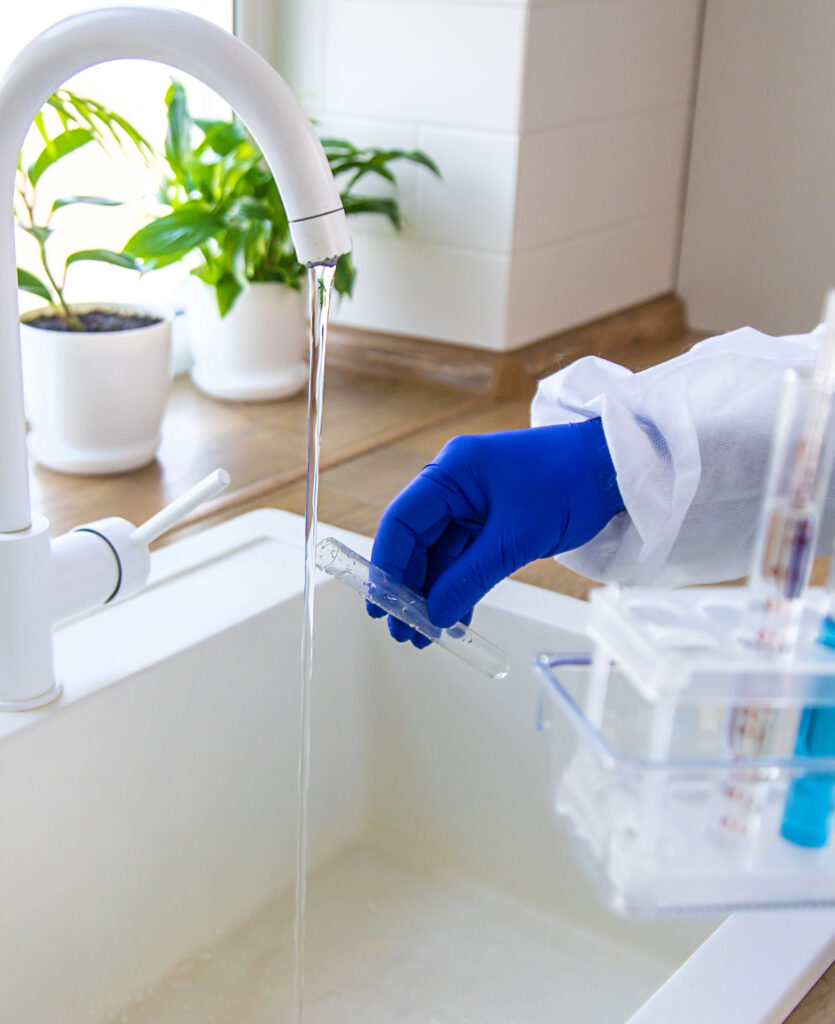
If you run a water test on your well and discover that it contains contaminants, the first step is to retest the water to ensure you correctly collected the initial sample and that the analysis is accurate.
Contact Your Health Department
If you find contaminants, the next step is to contact your local health department for a comprehensive list of public drinking water standards and to explain the results of your well water test.
Making Adjustments to Your Well
Some adjustments are suitable for short-term use only and serve as a great interim solution to avoid health hazards. For instance, you may boil water before use, disinfect your well, repair household pipes, or purchase bottled water.
Install Water Treatment Devices
You can purchase a home water treatment device, designed to filter out contaminants and minerals that you do not want to consume. These can range from basic sediment filters to intricate, whole-house systems.
Repair, Maintain, or Improve Septic Systems
Another way to ensure clean drinking water, which some homeowners may not know, is to follow a consistent maintenance routine and make repairs as needed to your septic system. That will have a direct impact on your well system and drinking water.
Finding the Right People to Help
Unless you do home and well inspection for a living, it can be challenging to comprehend the ins and outs of the business. You need a team like Detail View Home Inspection to address your concerns, answer any questions you may have about a poor well water test result, or conduct the test for you if life gets too busy. We can help you avoid well water contaminants and assist you in the process if they do appear!
Keywords: well inspection, poor well water test, result, avoid well water contaminants, well systems, home water treatment device, public drinking water standards, water tests, well water contaminants, new well installation